Protests, resignations, and Pussy Riot – you’ve definitely heard something about the Venice Biennale, this year’s most anticipated art fest. In Minor Keys, brought naked bells, whale-singing choirs, talking excrement, 200 babies, a BDSM escape room, and enough protest and politics to keep the art world talking for years. After five days fully immersed in the pavilions and installations across the Giardini and Arsenale, here’s our edit on what to see at the Venice Biennale and what absolutely not to miss.
But first . . .
What is the Biennale?
The Venice Biennale is the world’s oldest and most prestigious international contemporary art exhibition, held every two years in Venice since 1895, which means it has been doing this longer than most countries have had electricity. More than 80 nations show up at the Giardini and Arsenale, making that area 125+ acres of the Castello neighborhood an enclave of contemporary art for a six-month season.

The Giardini
The historic heart of the Biennale and our preferred starting point. Our advice is to head straight to the back, past main pavilion and Hungary pavilion, and over the bridge to the area where you’ll find Austria, Brazil, Greece and more. Not only will you find the most talked about pavilion, but there’s gorgeous outdoor installations as well.
Austrian Pavilion — Florentina Holzinger, Seaworld. Probably the most talked about pavilion at this year’s Biennale. Holzinger and her team of performance artists have created a site-specific experience that is both aggressive and incredible. *Spoilers* Naked women, a bell, a SeaDoo, a weathervane, an immersion tank and two portapotties feed an insane ecosystem.
Polish Pavilion — Bogna Burska & Daniel Kotowski, Liquid Tongues What could be the most moving piece for all of the pavilions. Videos showing a choir of hearing and Deaf performers singing whale songs in sign language.
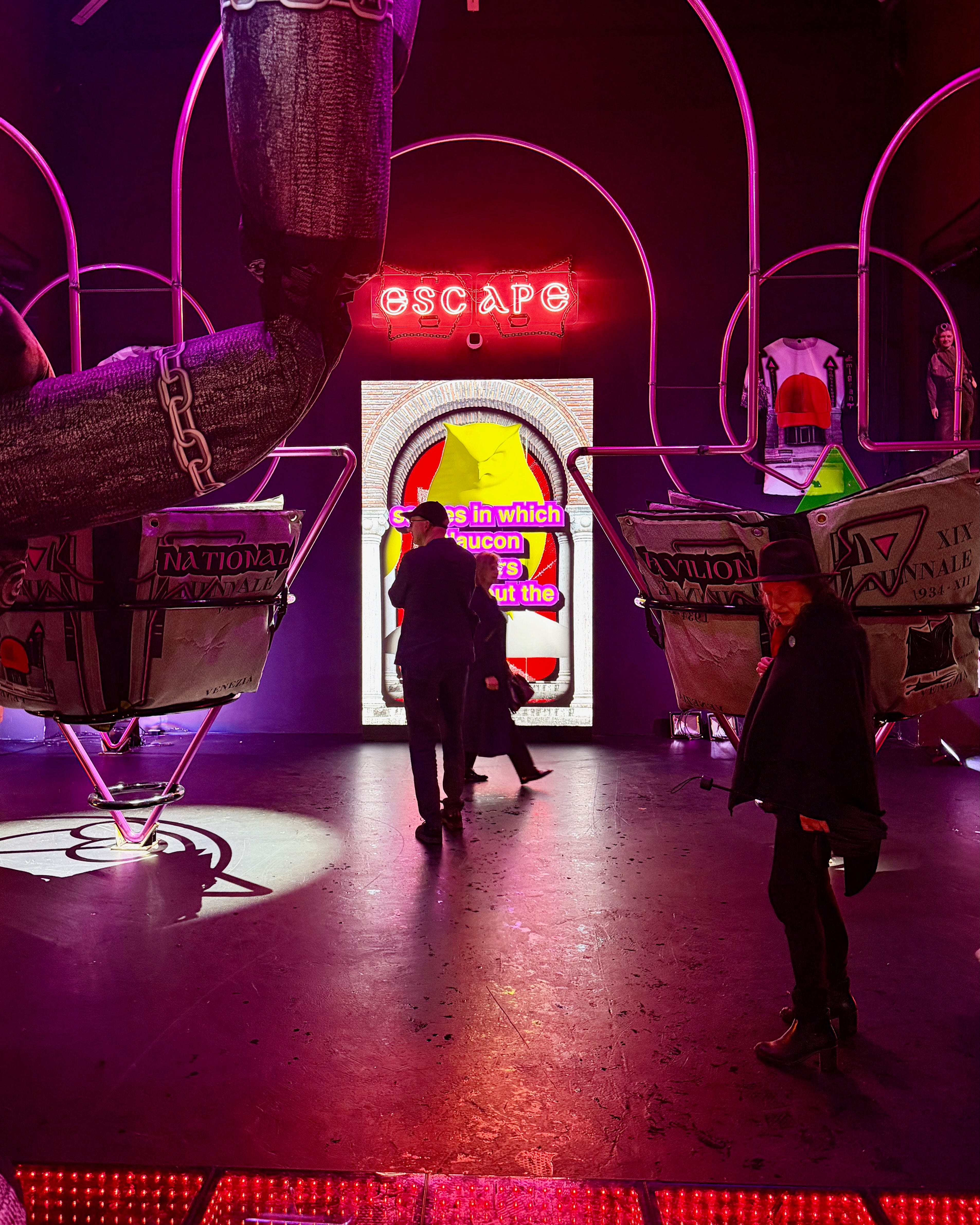
Greek Pavilion — Andreas Angelidakis, Escape Rome Plato’s Cave reimagined as a BDSM escape room. It’s a lot of fun, extremely photographable and a lot smarter than we are describing.
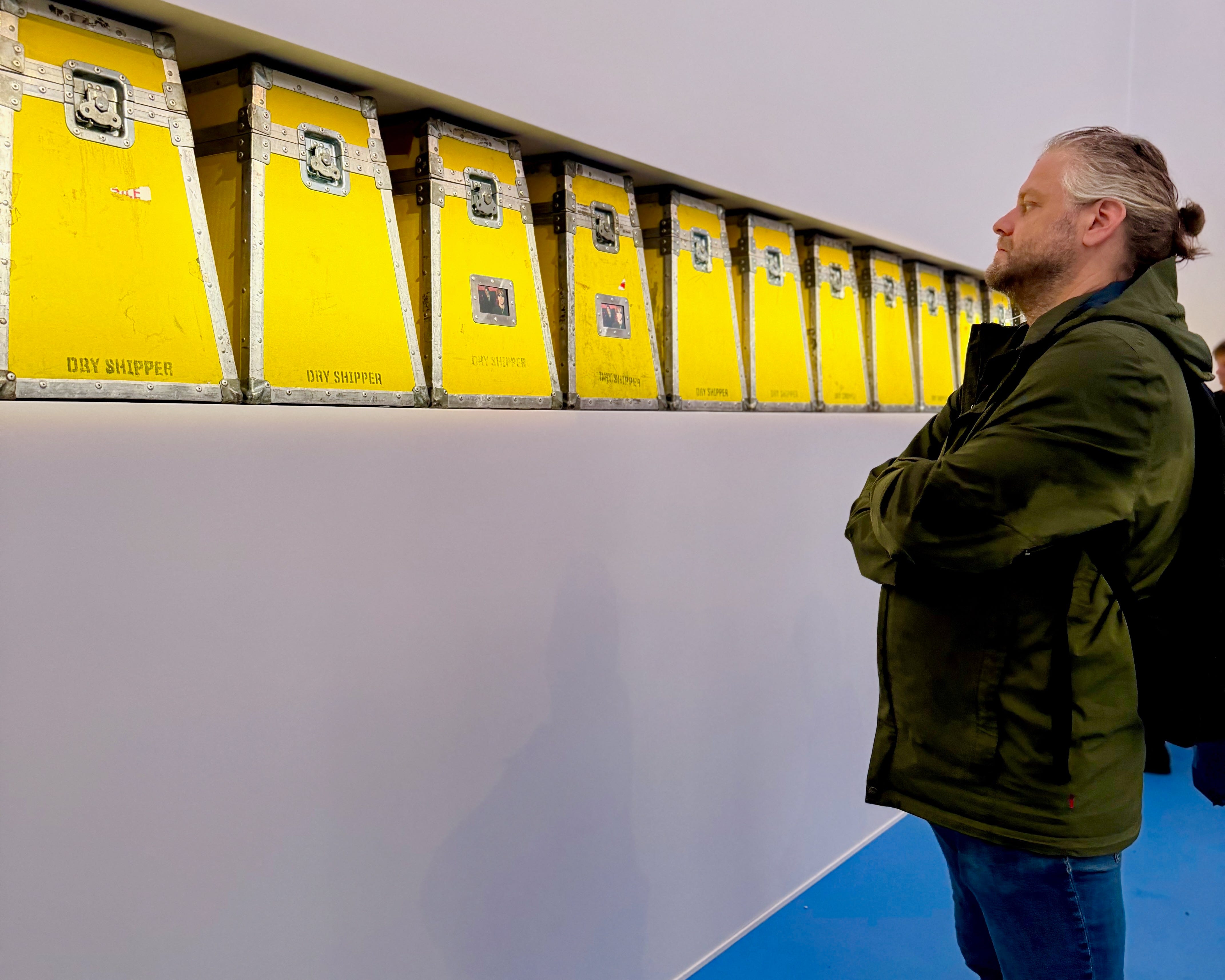
Japan Pavilion — El Arawaka-Nash, Grass Babies, Moon Babies This is the feel-good surprise of the entire Biennale. El Arawaka-Nash brings up declining birth and what “parent’ really means in an interactive installation (yep, you particiapte)with two hundred baby dolls, a diaper-changing ritual, and the sound of the artist’s own twins echoing through the space. You cannot not love it.
Belgian Pavilion — Miet Warlop, IT NEVER SSST, I didn’t think I was going to carnally love this pavilion as much as I did. A rage-filled tense performance/ritual, that somehow also brought a lot of joy. And to keep that vibe, make a point to visit the Dutch pavilion for the lock in.
Danish Pavilion — Maja Malou Lyse,Things To Come, We love the Danes and their sense of humour. Science says virtual sexual stimuli increases sperm motility, and Lyse dials up the stimuli with a little bit of absurdity and porn, maybe.

The Arsenale
The former shipyard compound houses the second part of the curated group show In Minor Keys and is home to several national pavilions. Kick it off at the Corderie — a nearly 317-metre long brick building where ships’ ropes were once strung out and produced — now a continuous exhibition space stretching paintings, sculpture, video installations, and more across its walls and floors.
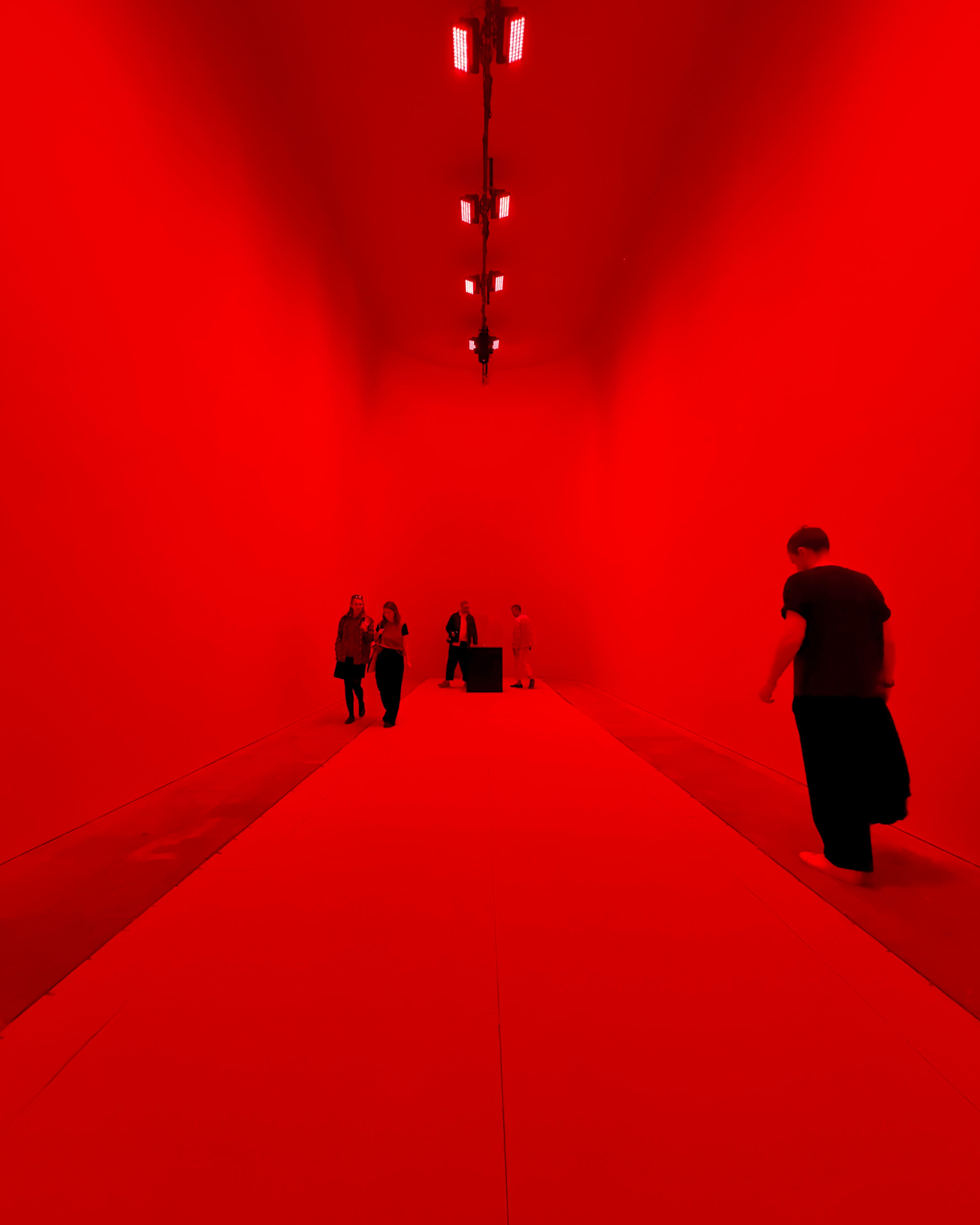
It’s overwhelming, to say the least, so take it in stride. Be on the lookout for Alfred Jaar’s The End of the World – a long, enveloping red room that stops you cold, and Big Chief Demond Melancon’s larger-than-life beaded works, extraordinary in scale and detail.
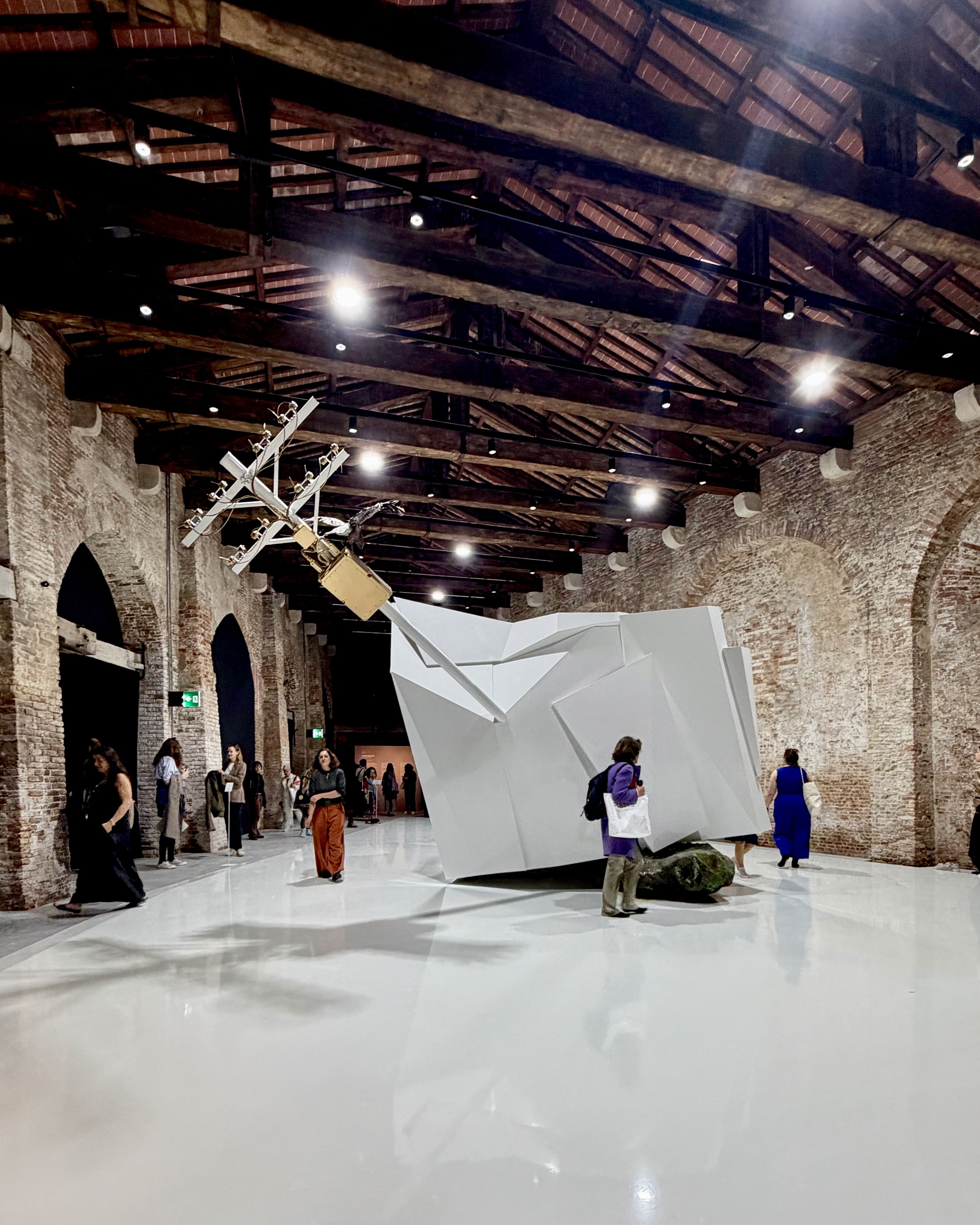
India Pavilion — Geographies of Distance Five artists, five material languages (thread, bamboo, earth, paper, discarded matter) all asking the same question: what remains of home when the place itself is gone
Irish Pavilion — Isabel Nolan, Dreamshook Like Melacon’s beaded work, Nolan’s handicraft tapestries are delicious and put a spin on lore.
Chile – Norton Maza, Inter-Reality Another interactive installation, in which the viewer is not just asked to look, but how to look. A large-scale immersive environment rooted in Baroque tradition that asks what’s real, what’s simulated, and who decides.
Luxembourg Pavilion — Aline Bouvy, La Merde We can’t believe we are including Bouvy’s literal piece of shit video but it is definitely worth a mention. Envision a shitty motivational speaker.
Türkiye Pavilion — Nilbar Güreş, A Kiss on the Eyes Love this take on fashion, fast-fashion and what artisan means. Large-scale sculptures made collaboratively with metalworkers, tailors, and craftspeople in Istanbul.

Collateral Events
Over the past two decades, the Biennale has become more than a morning in the Gardens and an afternoon in the Arsenale, more than just an art lover’s pilgrimage to La Serenissima. It has become the best possible reason to actually explore Venice — all of it. From the calli of Cannaregioand the quiet corners of San Polo to the off shoot, contemporary art has claimed the entire city as its venue, transforming palazzi, churches, salt warehouses, and secret gardens into exhibition spaces.
Known as collateral events, these foundation exhibits, offsite shows and pop up exhibitions take you through every sestiere, introducing you to secret gardens, Renaissance pavilions and so much more. To make it easy for you, we curated a Neighborhood Guide to Venice Biennale collateral events.

Tips to Visiting Venice During the Biennale
What’s great is that the Biennale isn’t over once the press dies down, so you have time to organize. The Venice Biennale runs through November 22, and you can’t miss it when you come to Venice, unless you’re trying. now If you want to see everything (official Biennale program as well collateral events, plan to spend at least three full days in Venice.
Spend your mornings looking at art and your afternoons decompressing — a Negroni sbagliatiat at Quadri is always our choice. Comfortable shoes are non-negotiable. A lightweight umbrella is essential if you’re coming after August. And before you do anything else, purchase a multi-day vaporetto pass — unlimited access to the city’s water bus network, and the only sane way to get around Venice.
If you’re planning a trip to Venice but don’t know where to stay: check out my latest list of hotels of hotels from budget to luxe. And for the full behind-the-scenes scoop, download my guide Venice with Ciao Bella, or just book a conversation with me and I’ll make sure you have the best Biennale experience!